
Storm Restoration Timing and Planning

Assessing damage immediately after a storm ensures timely restoration and prevents further issues.

Performing storm restorations during calmer weather minimizes risks and allows for thorough work.
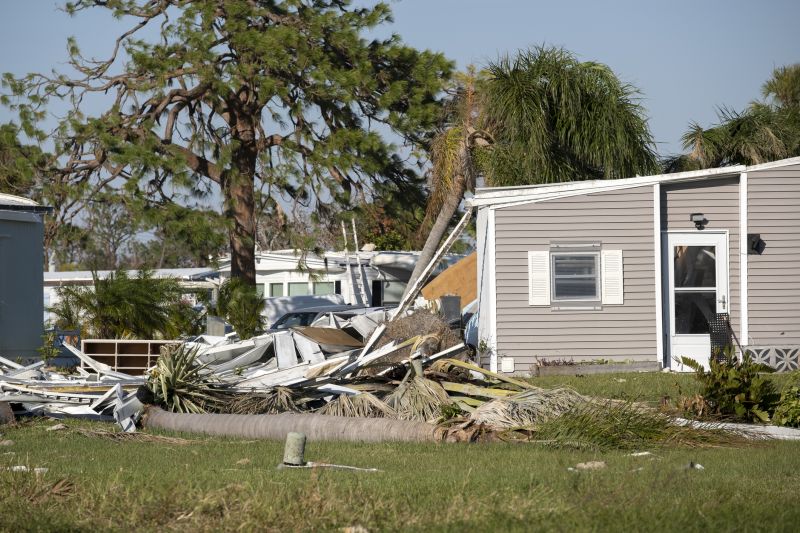
Planning restorations before storm season can prepare properties and reduce damage impact.
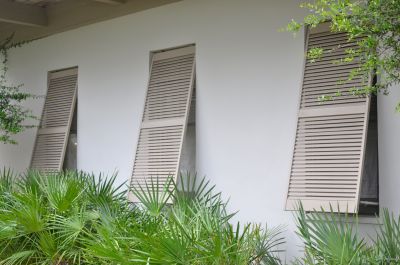
Ways to make Storm Restorations work in tight or awkward layouts.
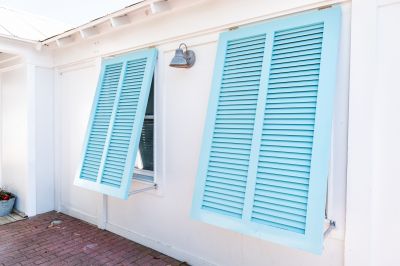
Popular materials for Storm Restorations and why they hold up over time.
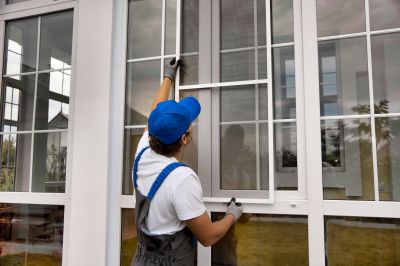
Simple add-ons that improve Storm Restorations without blowing the budget.

High-end options that actually feel worth it for Storm Restorations.

Finishes and colors that play nicely with Storm Restorations.
Storm restorations are critical processes that restore the structural integrity and appearance of properties affected by severe weather events. Effective restoration involves assessing damage, repairing or replacing damaged components, and ensuring the property can withstand future storms. Proper timing enhances the effectiveness of these efforts, reducing long-term costs and minimizing disruption.
Statistics indicate that storm-related damages can account for significant property losses annually. For example, hurricanes and tropical storms cause billions of dollars in damages each year, emphasizing the importance of timely and professional storm restoration services to mitigate further risks and safeguard assets.
Prompt repairs after a storm prevent secondary damage such as mold, rot, and structural weakening.
Restorations are most effective when performed in favorable weather, reducing delays and complications.
Preparing for storm season through scheduled inspections and maintenance can improve resilience.
In regions with frequent storms, regular maintenance and timely restorations are essential for property preservation.
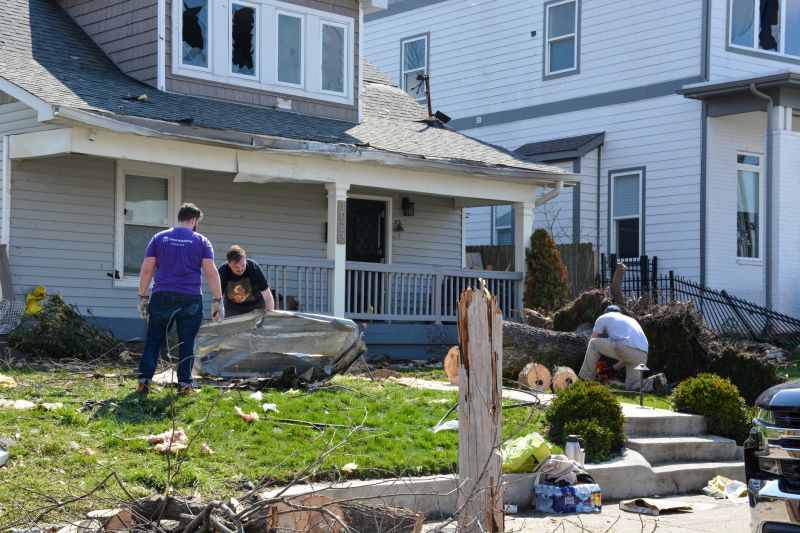
Visual and structural assessments identify areas needing immediate attention.
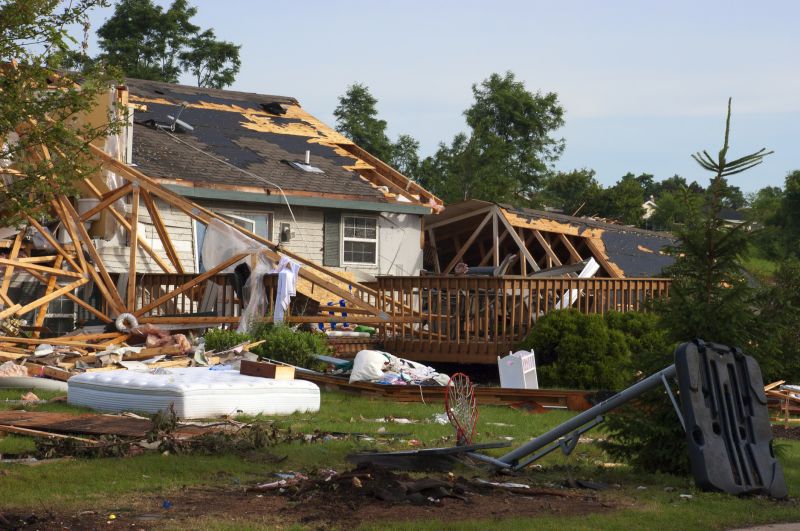
Roof repairs are crucial to prevent water intrusion and further structural damage.
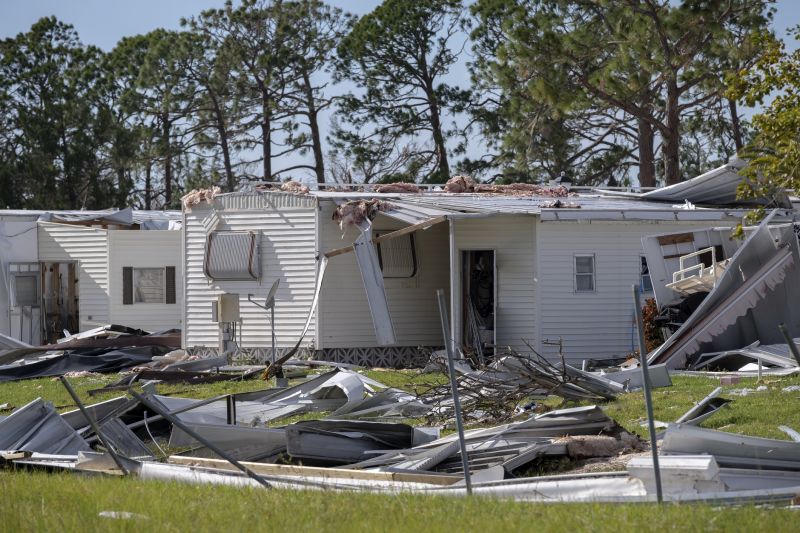
Restoring siding, windows, and doors helps protect against future weather events.

Addressing interior damages ensures safety and preserves property value.
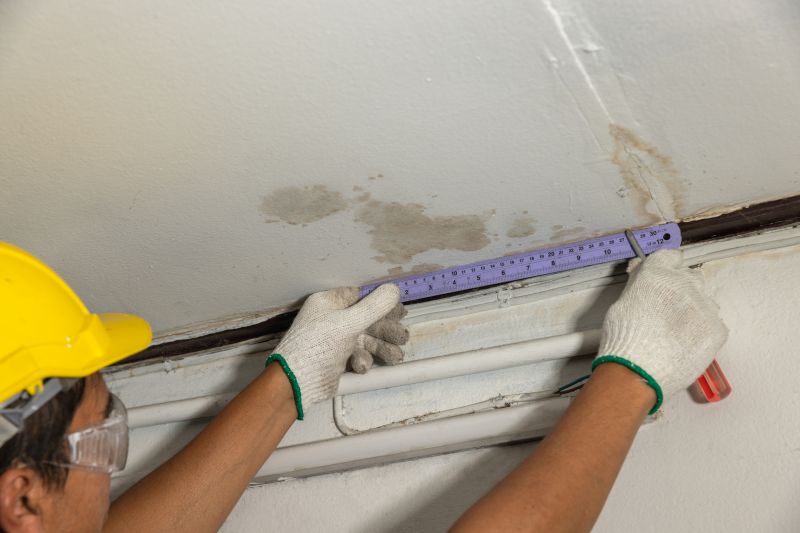
Little measurements that prevent headaches on Storm Restorations day.

A 60-second routine that keeps Storm Restorations looking new.
A frequent mistake in Storm Restorations and how to dodge it.

Small tweaks to make Storm Restorations safer and easier to use.
| Aspect | Details |
|---|---|
| Optimal Repair Window | Within days after storm impact for best results |
| Weather Considerations | Clear, dry days facilitate effective restoration |
| Property Type Impact | Different structures require tailored restoration timing |
| Storm Severity | More severe storms may necessitate immediate action |
| Regional Climate | Hurricanes in Florida influence seasonal timing |
Choosing the right time for storm restorations involves considering weather patterns, storm season cycles, and the severity of damage. Typically, the period immediately following a storm offers the best opportunity for effective repairs, provided weather conditions are suitable. Planning ahead during calmer months can also reduce downtime and ensure readiness for future storms.
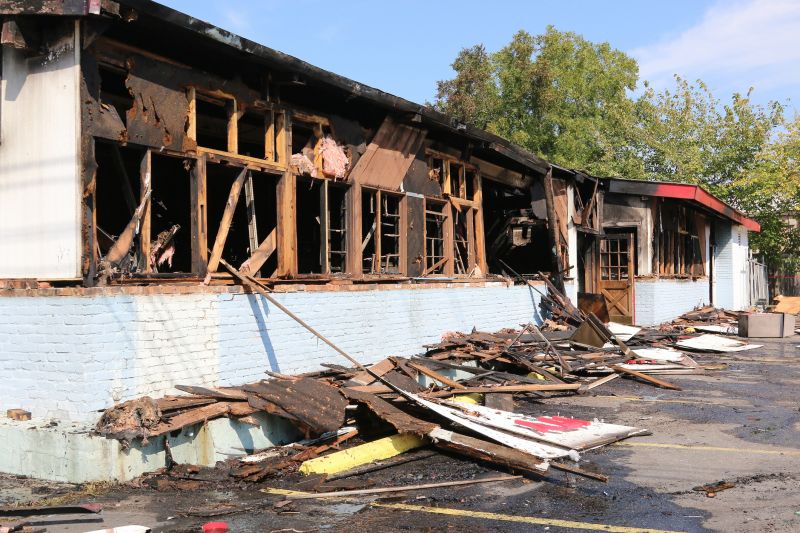
Initial evaluations determine the scope and urgency of repairs.

Pre-storm inspections help identify vulnerabilities and schedule necessary repairs.
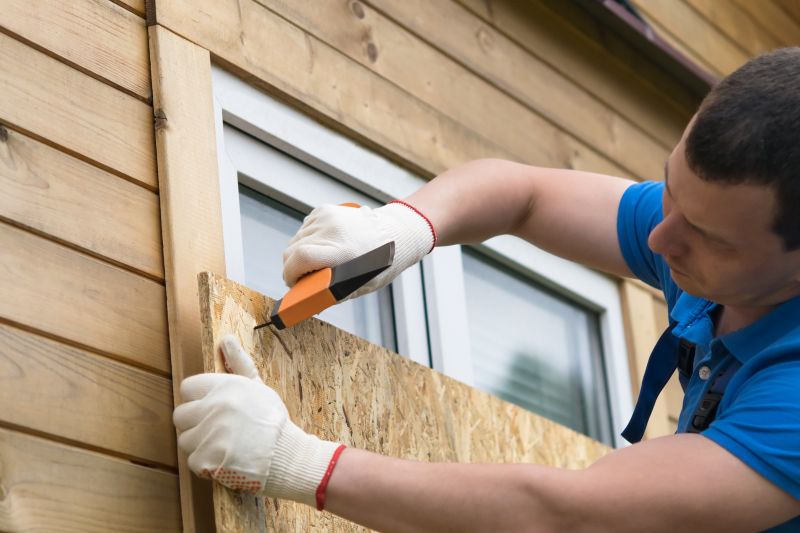
Scheduling repairs in stable weather ensures safety and quality work.
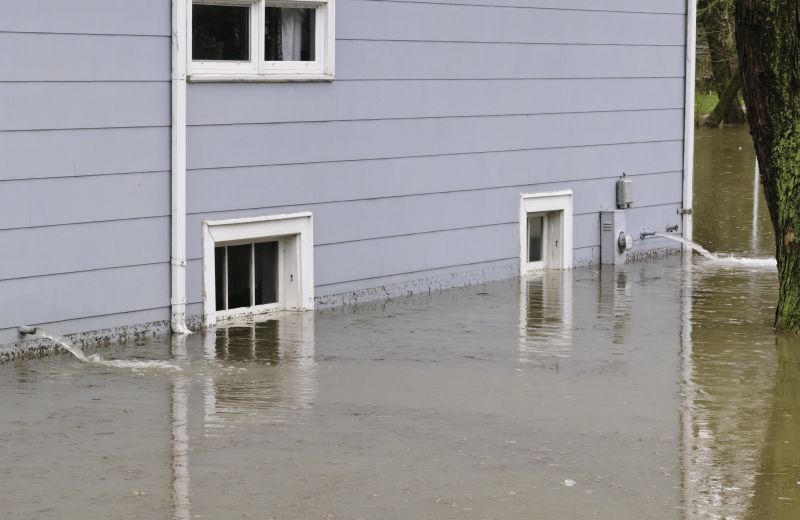
Timely restoration minimizes secondary damages and restores property integrity.
Lower-waste or water-saving choices for Storm Restorations.

The short, realistic tool list for quality Storm Restorations.
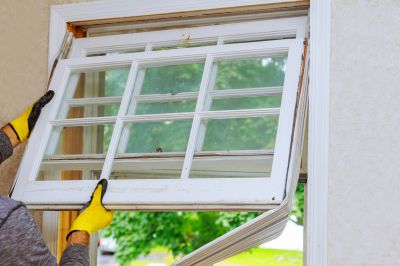
Rough timing from prep to clean-up for Storm Restorations.

Quick checks and paperwork to keep after Storm Restorations.
For properties in Palm Bay, FL, understanding seasonal weather patterns is vital for planning storm restorations. Hurricanes and tropical storms typically peak during late summer and early fall, making early preparation and post-storm assessments essential components of property management.
Interested property owners are encouraged to contact professionals to discuss restoration options and schedule inspections. Proper timing and expert intervention can significantly reduce damage impact and restore property resilience efficiently.